
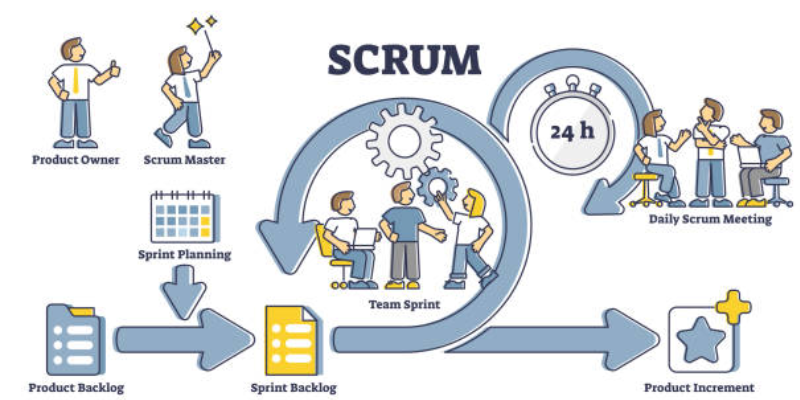
In the current fast-paced Agile landscape, the Scrum Master holds a critical position in ensuring. That teams operate efficiently, collaborate effectively, and engage in continuous improvement. Frequently misinterpreted as simply a project manager. The Scrum Master functions as a facilitator, coach, and servant leader, assisting teams in navigating the Agile framework and addressing challenges.
Grasping the daily responsibilities of a Scrum Master is essential for both team members and organizations. As it elucidates how this role enhances productivity, fosters collaboration, and contributes to the delivery of high-quality outcomes. By examining the standard daily tasks and obligations, this guide offers an in-depth perspective. On what is required to successfully fulfill the role of a Scrum Master within contemporary Agile teams. FITA Academy delivers immersive Scrum Master training that enables learners to understand agile principles. Facilitate team collaboration, and manage sprint processes building strong, real-world agile project management skills.
Scrum Master Role
The responsibilities of a Scrum Master go beyond simple task management. They act as a guardian of the Scrum framework. This includes ensuring compliance with Agile principles and best practices. This encompasses facilitating ceremonies, coaching. Team members in Agile methodology, and assisting the team in overcoming obstacles that hinder progress.
In contrast to a conventional manager, a Scrum Master prioritizes empowering the team instead of directing their work. Additionally, they function as a liaison among the development team, Product Owner, and stakeholders, promoting clear communication and a seamless workflow. Grasping the responsibilities of a Scrum Master offers insight. Into their daily functions, highlighting guidance, collaboration, and process enhancement rather than micromanagement.
Key Daily Activities
The daily responsibilities of a Scrum Master typically commence with confirming that the team is synchronized and cognizant of their objectives. Daily Stand-ups, also known as Daily Scrums, play a pivotal role in this procedure. In these gatherings, the Scrum Master guides discussions where team members provide updates, identify obstacles, and report on their progress. In addition to stand-ups, Scrum Masters oversee team workflows, monitor sprint advancement. And guarantee that tasks adhere to their timelines.
They also dedicate time to coaching team members on Agile methodologies, assisting individuals in enhancing their efficiency and collaboration. Although these tasks may appear routine, they are essential for sustaining team unity, transparency, and accountability. Thereby ensuring that the sprint advances seamlessly and that goals are achieved. Boost your project management career with the Scrum Master Certification in Chennai. Where you’ll master agile principles, team facilitation skills, and sprint management techniques to deliver efficient, scalable, and high-performance project outcomes.
Facilitating Agile Ceremonies Effectively
A considerable part of a Scrum Master’s daily responsibilities involves facilitating Scrum ceremonies. These ceremonies encompass Sprint Planning, Backlog Refinement, Sprint Review, and Retrospectives. Each ceremony serves a distinct purpose: planning establishes the work for the sprint, backlog refinement. Prepares the team for upcoming tasks, reviews highlight completed deliverables, and retrospectives emphasize continuous improvement.
The Scrum Master is tasked with guaranteeing that these meetings are effective, comply with time limits, and stay on topic. Effective facilitation requires keeping discussions on track, promoting participation from all team members, and ensuring that outcomes are actionable. By excelling in ceremony facilitation, a Scrum Master enhances team alignment, communication, and iterative learning.
Removing Impediments and Supporting Productivity
One of the most significant responsibilities that a Scrum Master undertakes on a daily basis is the removal of impediments that hinder the team from reaching its objectives. These impediments may include technical difficulties, shortages of resources, interpersonal disputes, and ambiguous requirements. The Scrum Master proactively identifies these obstacles, engages with stakeholders or leadership. To devise solutions, and empowers the team to sustain their momentum.
Additionally, fostering productivity entails monitoring workflow bottlenecks, ensuring adherence to work-in-progress limits, and assisting the team in adopting effective practices. This role of problem-solving and facilitation underscores the Scrum Master’s commitment to fostering an environment where the team can consistently and effectively deliver value. Learners who enroll in a Training Institute in Chennai for Scrum Master develop strong agile project management skills, gain expertise in Scrum practices and team facilitation, and enhance their ability to lead high-performing, collaborative teams efficiently.
Collaboration with Product Owners and Stakeholders
The responsibilities of a Scrum Master go beyond just the development team. They work in close partnership with the Product Owner to elucidate requirements, prioritize items in the backlog, and guarantee that the team comprehends the product vision. Additionally, they serve as a communication bridge with stakeholders, keeping them updated on progress, risks, and any changes.
Effective collaboration is essential for guaranteeing that the team’s efforts are in harmony with the organization’s goals, thus preventing miscommunication and delays. By promoting transparency and trust among all involved parties, the Scrum Master facilitates a smooth development process, ensuring that decisions are made in an informed, timely, and well-communicated manner.
Tools and Techniques for Task Management
To effectively manage daily responsibilities, Scrum Masters frequently utilize tools and techniques that improve workflow visibility and coordination. Tools that are commonly employed include Jira, Trello, and Asana for tracking sprint progress, managing backlogs, and reporting metrics. Additionally, Scrum Masters make use of burndown charts, velocity tracking, and various performance metrics to assess team productivity and recognize trends.
These tools enable them to identify issues early, make informed decisions based on data, and offer actionable insights during ceremonies or retrospectives. Alongside software, Scrum Masters implement facilitation techniques such as timeboxing, active listening, and structured problem-solving to ensure that meetings and discussions are productive and focused on outcomes. This blog will be helpful to know how to become a certified scrum master.
Balancing Administrative Duties and Team Facilitation
While Scrum Masters primarily concentrate on facilitating team processes, their daily responsibilities also encompass administrative duties. These tasks may include updating documentation, monitoring project metrics, generating reports for leadership, or ensuring compliance with organizational standards. It is essential to balance these responsibilities with direct team facilitation.
A Scrum Master who dedicates excessive time to administrative tasks may become disconnected from the team’s challenges, whereas overlooking documentation can impede organizational transparency. Proficient Scrum Masters seamlessly incorporate administrative tasks into their daily routines without undermining their core role as servant leaders, thereby addressing both the team’s needs and the requirements of the organization.
Supporting Continuous Improvement
A key component of the Scrum Master’s daily responsibilities is to advocate for continuous improvement. By monitoring team interactions, pinpointing persistent issues, and guiding discussions during retrospectives, Scrum Masters assist teams in evolving their processes, improving collaboration, and fine-tuning workflows. Promoting experimentation, evaluating results, and acknowledging achievements are essential elements in nurturing a culture of ongoing learning.
Over time, these practices enable the team to become more self-sufficient, effective, and resilient, thereby decreasing reliance on the Scrum Master while reinforcing Agile principles. Consistent involvement in this coaching and mentoring capacity guarantees that enhancements are gradual, practical, and enduring.
End suggestion
Comprehending the daily responsibilities of a Scrum Master unveils a position that encompasses far more than merely overseeing sprints or monitoring progress. A Scrum Master functions as a servant leader, facilitator, coach, and problem solver, skillfully managing support for the team, providing guidance on processes, and handling administrative responsibilities.
Responsibilities range from leading daily stand-ups and Scrum ceremonies to eliminating obstacles, working alongside Product Owners, and encouraging ongoing improvement; each task is designed to enhance team productivity and efficiency. By comprehending these roles, both organizations and team members can develop a greater appreciation.